A Vision for an Arizona Office of Outdoor Recreation

Outdoor recreation is an iconic part of Arizona - from the rim of the Grand Canyon to the canyons and bajadas of the Sonoran Desert. Arizona has a history of stewardship for our lands, waters, and wildlife. Yet, we are falling behind our neighboring states in capitalizing on our unique outdoor assets. Arizona needs an Office of Outdoor Recreation to help us leverage the potential of our natural and cultural resources. The time is long overdue. The time to act is now.

An Office of Outdoor Recreation would help to enhance the quality of life for Arizona’s residents, promote sustainable outdoor recreation opportunities for both residents and visitors, and expand and invigorate the outdoor recreation economy. This office would leverage jobs, prosperity, and wellness for all state residents in both rural as well as in large metropolitan areas.  Bridging the missions of existing state agencies such as wildlife conservation, tourism, and management of state parks and trails would allow each to build upon the work of the other and scaffold the effect of their efforts. 

Goals

  • Enhance economic opportunities and job diversity, particularly in rural communities;

  • Increase access to and opportunities for transformative outdoor experiences for all segments of Arizona’s diverse population;

  • Facilitate the growth of new outdoor recreation businesses and industries;

  • Cultivate a stronger, more resilient outdoor recreation workforce;

  • Increase awareness of the value of outdoor recreation for improved public health, community well-being and economic vitality;

  • Provide a unified voice to promote the economic, social, health and other values of outdoor recreation, trails, wildlife protection, and access to public lands;

Outcomes

  • Enhanced outdoor recreation economic activity, particularly in rural areas;

  • Measurable growth in local and state tax revenues from outdoor recreation activities;

  • Coordinated planning, use, access, and promotion of outdoor spaces within Arizona;

  • Provides a central clearinghouse for outdoor business support, recruitment, expansion, retention and recruitment, especially for rural areas;  

  • Improved vitality for rural communities through increased population growth, fueling jobs for teachers, doctors, construction workers and more;

  • Higher success rate for local community grant writing and fund development.

Arizona would benefit from a unified voice to promote the economic value of outdoor recreation, trails, and public lands. Our neighboring states’ offices for Outdoor Recreation have already demonstrated the value of having such an office. The time for Arizona to tap into the $459 billion dollar per year outdoor recreation industry is now.


Share Post

RECENT ARTICLES
By Michael Dematties July 29, 2026
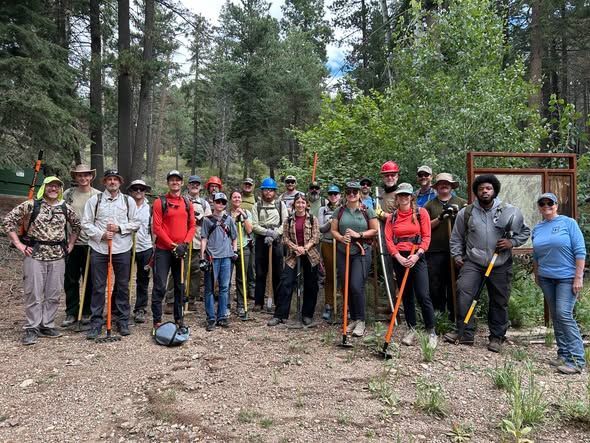
Local News Volunteers Partner with Forest Service to Restore Mount Graham’s Cunningham Loop Trail July 26, 2026 - by News Director Share Share Pin It Share Forest Service Photo: A dedicated group of community members and trail advocates spent early Saturday morning giving back to the Pinaleño Mountains, coming together to restore key portions of the western Cunningham Loop Trail #316 in the Safford Ranger District. Gila Herald Staff Reports MOUNT GRAHAM — A dedicated group of community members and trail advocates spent early Saturday morning giving back to the Pinaleño Mountains, coming together to restore key portions of the western Cunningham Loop Trail #316 in the Safford Ranger District. The workday—organized by the Sonoran Desert Mountain Bicyclists (SDMB)—brought together 23 volunteers, group members, and U.S. Forest Service personnel, including Safford District Ranger Voelker. The team focused efforts on the southeastern section and connector trail of the western loop. Cunningham Loop Trail #316 is a popular destination for both mountain bikers and hikers, utilizing a blend of historic roadways and singletrack to form an approximately 4.5-mile loop. Forest Service Photo: Volunteers use a crosscut saw to enable moving a large log out of the way. To carry out the restoration without disturbing local wildlife or disrupting the natural surroundings, volunteers relied on traditional, non-motorized hand tools—including crosscut saws, McLeods, pickaxes, and pulaskis. The use of these purpose-built tools allows trail maintenance and construction to proceed quietly year-round. Organizers noted that the volunteer crew represented a wide variety of backgrounds, united by a shared goal to improve outdoor access and enhance the overall visitor experience in the Pinaleños. Collaborative efforts between local organizations like SDMB and the Forest Service remain vital for keeping trails open and well-maintained across the district. Forest Service Photo: The trail has been restored. How the Public Can Help Community members looking to support the trail don’t necessarily need a shovel to contribute. Trail organizers encourage local hikers and mountain bikers to get out and explore the newly restored path. Regular foot and bicycle traffic plays an important role in trail maintenance by helping compact the soil and prevent future erosion. To learn more about local trail stewardship initiatives or get involved with future workdays, visit the Sonoran Desert Mountain Bicyclists website or check out details on the Cunningham Loop Trail #316 . 
By Michael Dematties July 17, 2026
Click here to check out IMBA's article about Tucson trails
By Michael Dematties February 25, 2026
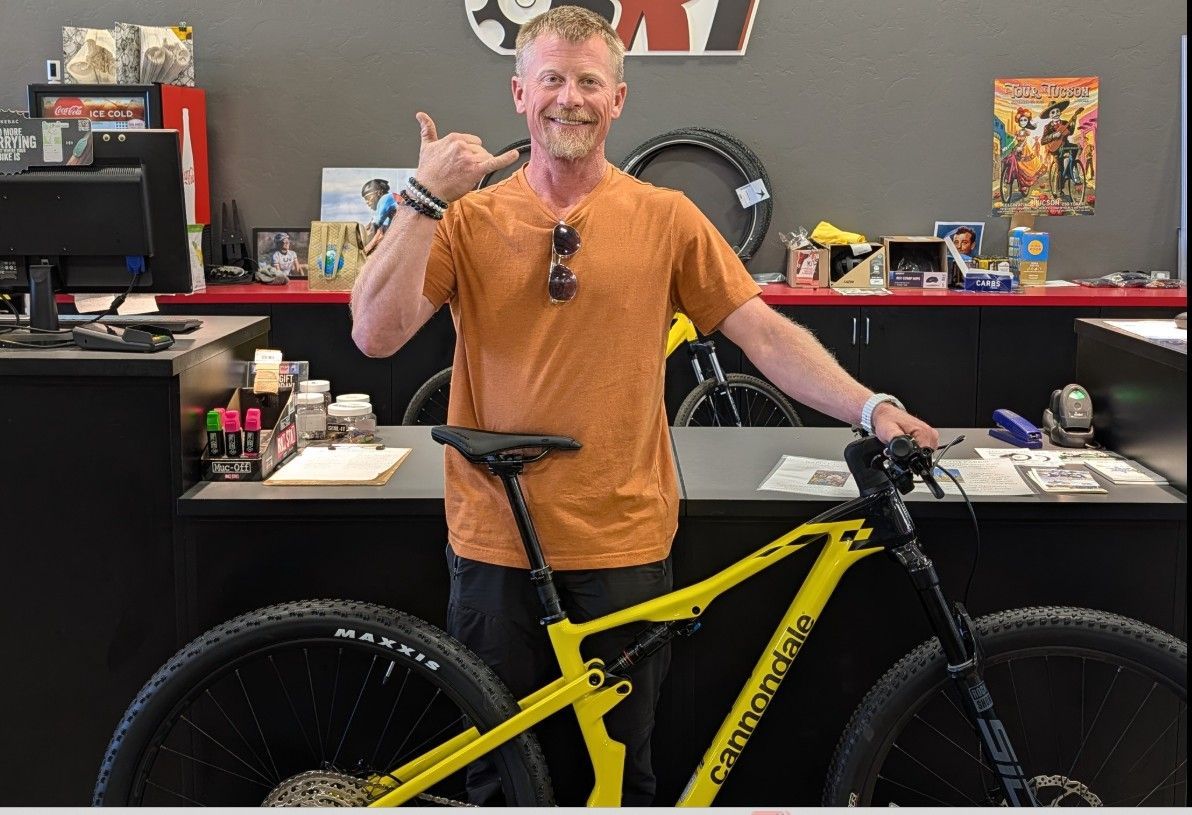
Raffle Winner 2026