
As nearly everyone knows, Tucson and southern Arizona gets HOT in the summer. But that doesn’t mean that mountain bikers stop riding. Long time desert rats have made accommodations with the extreme weather to keep on riding despite the heat. Here are a few quick tips and tricks for staying in the saddle through the hot months, especially if you’re a newer rider or visiting the area during the summer:
- Set an Alarm: One of the things that we have learned is that you have to switch when you ride to times when it is cooler. Getting out early and setting the motto of “Off the Trail by 8” will help you get your fix in. The sun comes up early in southern Arizona so getting motivated by riding in the cooler morning hours is a great way to stay active even during the hottest months.
- Become a Night Owl: The other option is night riding is one way to beat the extreme heat. Many riding groups keep riding all through the summer! Temperatures might still be in the 90s, but the harsh sun will be down. But be sure to get bright lights—one for your helmet and one for your handlebars. Having adequate light is a key to minimizing mishaps on the trail.
- Get High: Explore higher elevation riding areas. Mount Lemmon / Santa Catalina Mtns has a plethora of trails above 7,000 ft, however most of them are upper-intermediate to advanced. This is the only real high elevation riding area within day-trip distance of Tucson. High elevation (>7,000 ft) weekend options in the state include Mount Graham / Pinaleño Mtns(3 hrs), Pinetop-Lakeside / White Mtns and Mogollon Rim / Cabin Loops (3.5-4.5 hrs), and Flagstaff / San Francisco Peaks(4 hrs). Additionally, mid-elevation (4,500-7,000 ft) areas include Silver City, NM(3 hrs), Payson(3 hrs), Prescott, and Sedona(both 3.5 hrs) offer good options when it's still in the 90's in Tucson. All have readily available camping opportunities where you can ride from your site as well as trails of all technical ability and length.
- Drink Excessively: This tip seems to go without saying but if you read the news much, every summer sees the deaths of recreationists who do not take adequate water on their excursions. Don’t be another statistic. Take more water than you think you’ll need. We recommend at minimum of 1 liter per hour of riding, however you may require more. A hydration pack is a great option to keeping hydrated because it is readily available whereas if you have to stop and pull a bottle out of your pack, you are less likely to drink often.
- Get Drunk on Power(ade): Maintaining a proper electrolyte balance is essential to stave off fatigue and muscle cramps in the heat. If your bike has a bottle cage, bring along a bottle with electrolyte mix, otherwise throw an extra bottle in your hydration pack. Adding electrolyte mix to hydration bladders is generally a bad idea; it can gum up the drinking hose and can be hard to clean. Having both plain water and electrolytes allows riders to balance their consumption based on how they are feeling.
- Pig Out: Food is essential when riding in the heat, so make sure to bring snacks with you. Sealed bars and goo packets are quick and already packaged for individual consumption. Look for foods that are high-glycemic, meaning that the carbohydrates are bio-available quickly. A snack at the right can help stave off cramps and the hangrys and help you finish the ride quickly. Look to consume at minimum 100-200 calories per hour of riding.
- Chill Out: Freezing water bottles or adding ice to hydration packs before riding is a great way to keep your fluids colder and more enjoyable. One option is to buy a small plastic bottle (something like Smart Water), cut the bottom off it, turn it upside down, and fill it with water (leaving the lid on). Then I carefully place it in my freezer, standing up. Thirty minutes before I leave home to go riding, take it out of the freezer and place it in your kitchen sink—standing up. This time allows the block of ice to start thawing so it will easily slip out of the plastic container. Put some water in your hydration pack, and then slip the block of ice inside. This keeps your water cold for most long rides. Cold water is a godsend on summer rides.
- Breathe Deeply: Wear light, breathable clothes. Clothes that readily evaporate your sweat will make riding cooler as long as you keep moving. Most riding jerseys are made of breathable fabric. Look for well-ventilated helmets and gloves to stay more comfortable.
- Keep it Short and Sweet : Go for shorter rides when it is hot. Don’t try to set speed records or hit century mark. Leave the feats of Superman to another time of year. Just getting out every day you can is an accomplishment.
Here is southern Arizona, we are fortunate that we can mountain bike nearly every day of the year because of our great weather. But we have to make adjustments in summer. Hopefully these tips will help you get out even during the hottest times and still be safe.
Share Post
RECENT ARTICLES
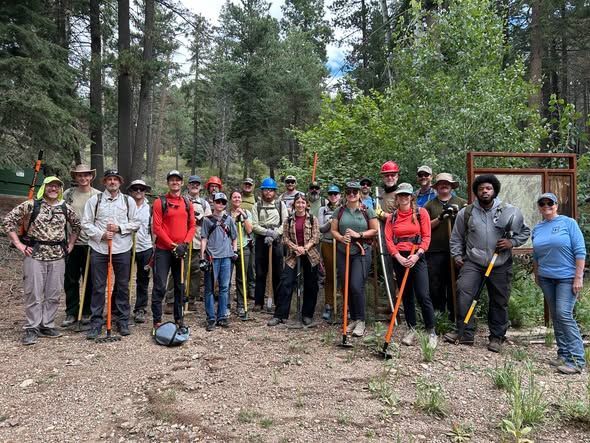
Local News Volunteers Partner with Forest Service to Restore Mount Graham’s Cunningham Loop Trail July 26, 2026 - by News Director Share Share Pin It Share Forest Service Photo: A dedicated group of community members and trail advocates spent early Saturday morning giving back to the Pinaleño Mountains, coming together to restore key portions of the western Cunningham Loop Trail #316 in the Safford Ranger District. Gila Herald Staff Reports MOUNT GRAHAM — A dedicated group of community members and trail advocates spent early Saturday morning giving back to the Pinaleño Mountains, coming together to restore key portions of the western Cunningham Loop Trail #316 in the Safford Ranger District. The workday—organized by the Sonoran Desert Mountain Bicyclists (SDMB)—brought together 23 volunteers, group members, and U.S. Forest Service personnel, including Safford District Ranger Voelker. The team focused efforts on the southeastern section and connector trail of the western loop. Cunningham Loop Trail #316 is a popular destination for both mountain bikers and hikers, utilizing a blend of historic roadways and singletrack to form an approximately 4.5-mile loop. Forest Service Photo: Volunteers use a crosscut saw to enable moving a large log out of the way. To carry out the restoration without disturbing local wildlife or disrupting the natural surroundings, volunteers relied on traditional, non-motorized hand tools—including crosscut saws, McLeods, pickaxes, and pulaskis. The use of these purpose-built tools allows trail maintenance and construction to proceed quietly year-round. Organizers noted that the volunteer crew represented a wide variety of backgrounds, united by a shared goal to improve outdoor access and enhance the overall visitor experience in the Pinaleños. Collaborative efforts between local organizations like SDMB and the Forest Service remain vital for keeping trails open and well-maintained across the district. Forest Service Photo: The trail has been restored. How the Public Can Help Community members looking to support the trail don’t necessarily need a shovel to contribute. Trail organizers encourage local hikers and mountain bikers to get out and explore the newly restored path. Regular foot and bicycle traffic plays an important role in trail maintenance by helping compact the soil and prevent future erosion. To learn more about local trail stewardship initiatives or get involved with future workdays, visit the Sonoran Desert Mountain Bicyclists website or check out details on the Cunningham Loop Trail #316 .
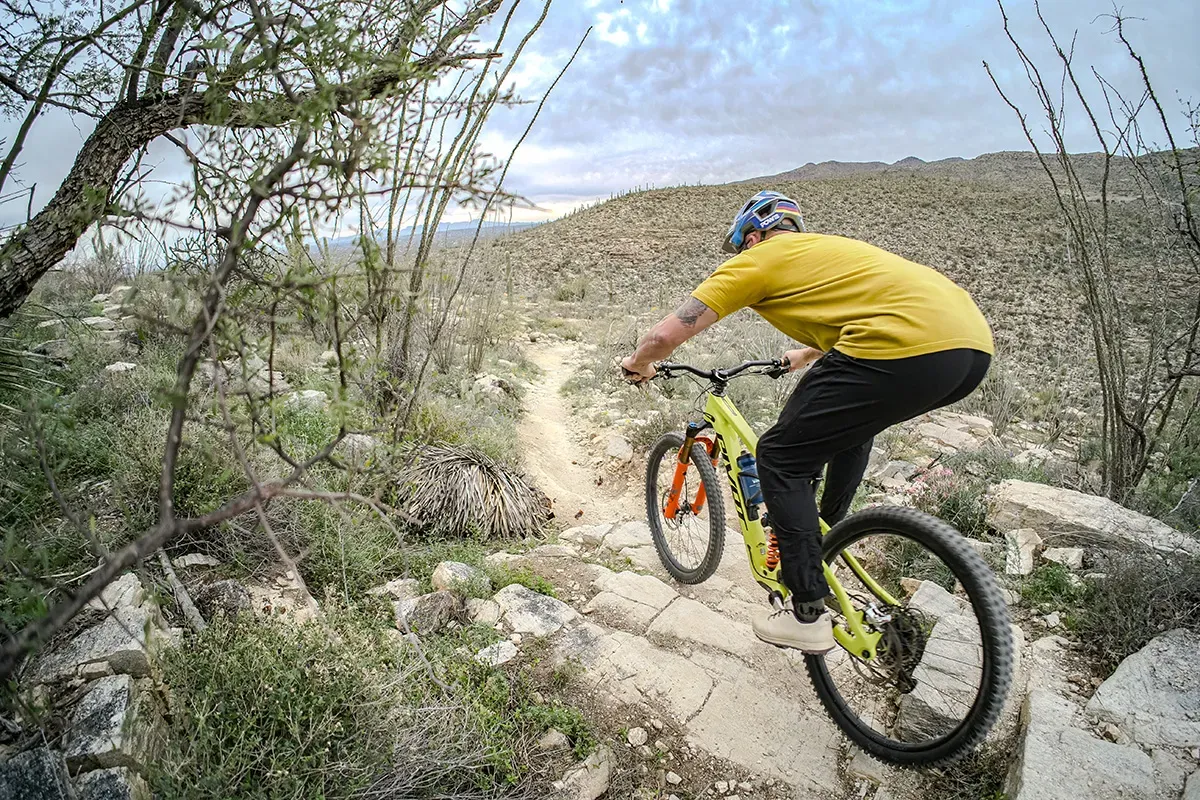
Click here to check out IMBA's article about Tucson trails
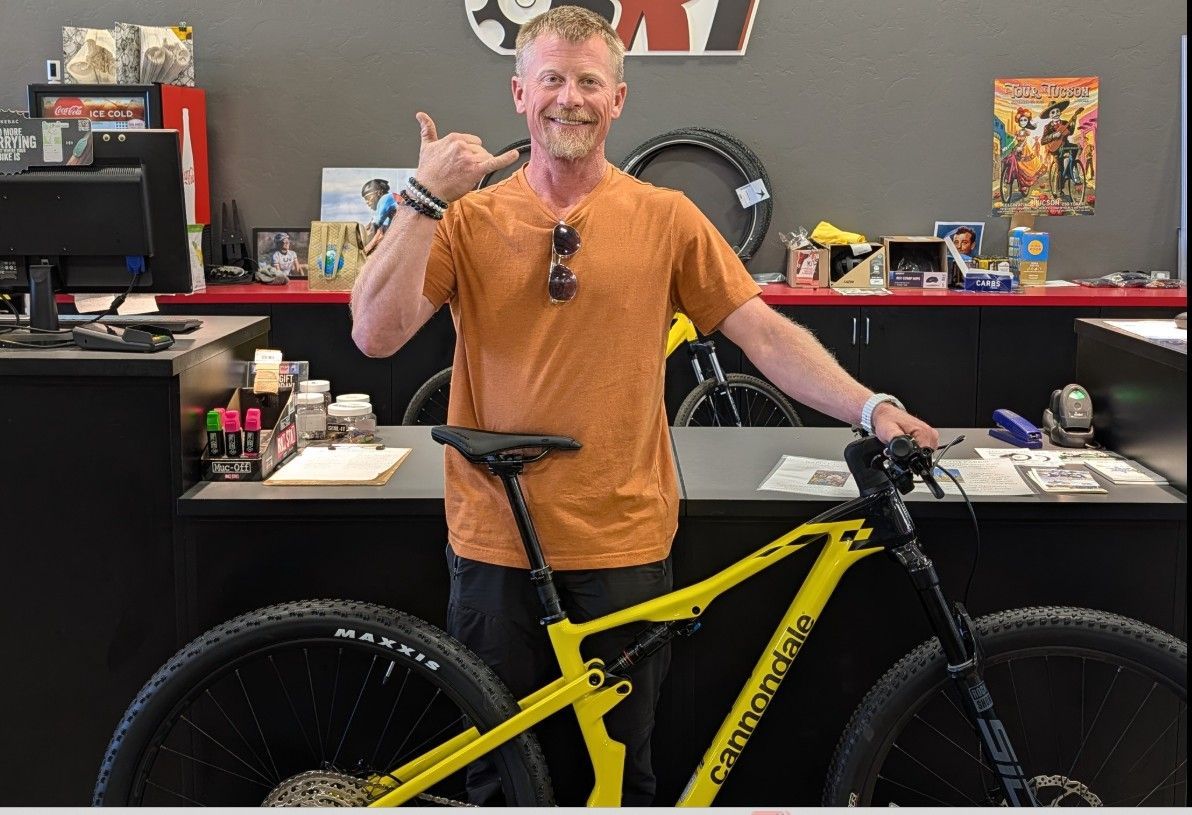
Raffle Winner 2026